

3-D design software
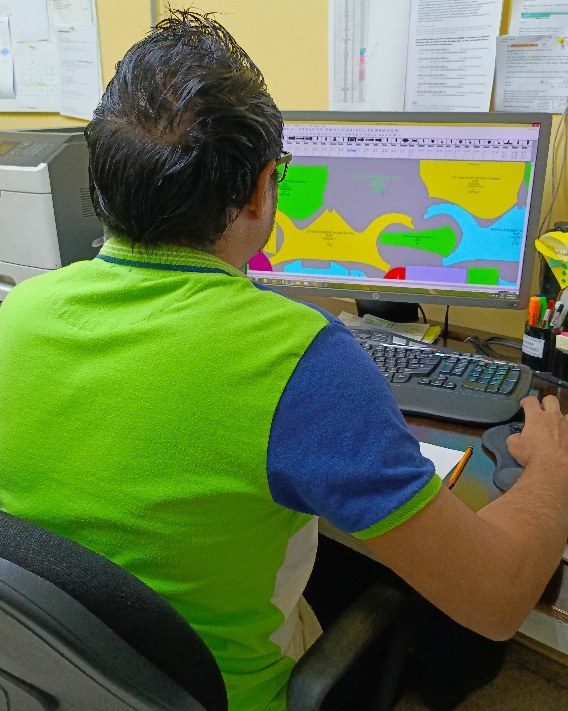
Tukatech 3-D design and virtual prototyping, shortening development cycles before a physical sample is cut.
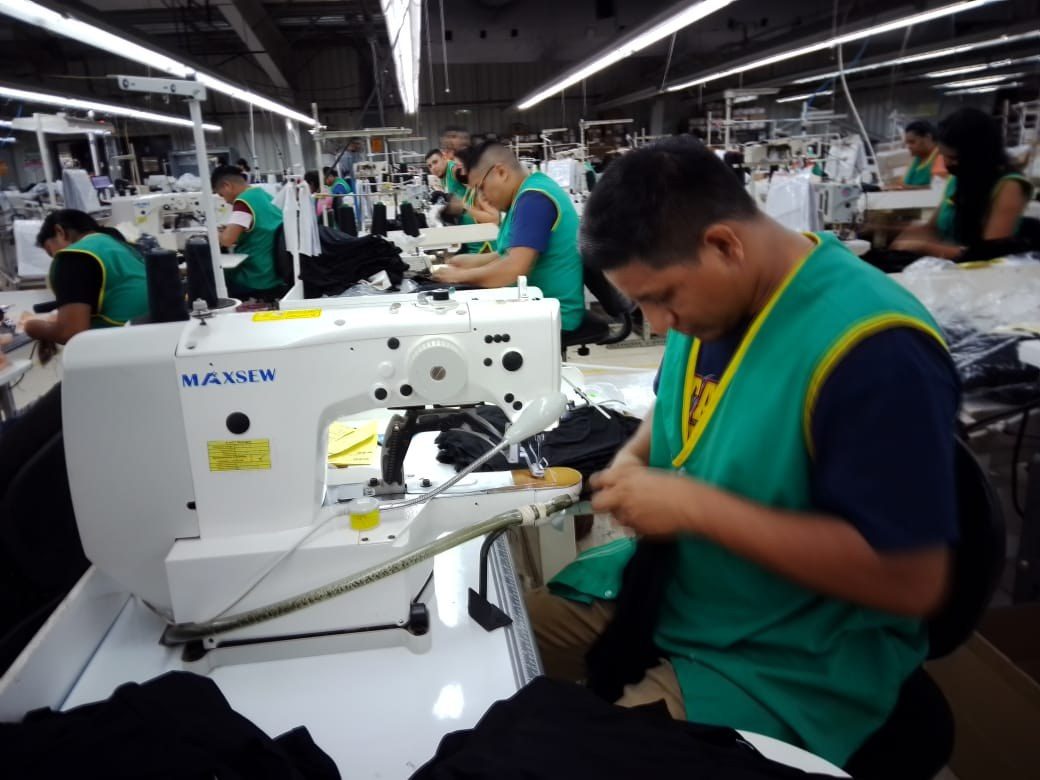
Our capabilities
A vertically integrated process built on purpose-built technology — and a quality system that validates every style three times before it reaches a production line.
Plant capabilities
Every capability below runs in-house at Masaya. Nothing in this list is subcontracted, which is why engineering changes reach the line in hours rather than weeks.
Tukatech 3-D design and virtual prototyping, shortening development cycles before a physical sample is cut.
Automated marker layout on Tukatech and Gerber Technology, optimising material yield on every spread.
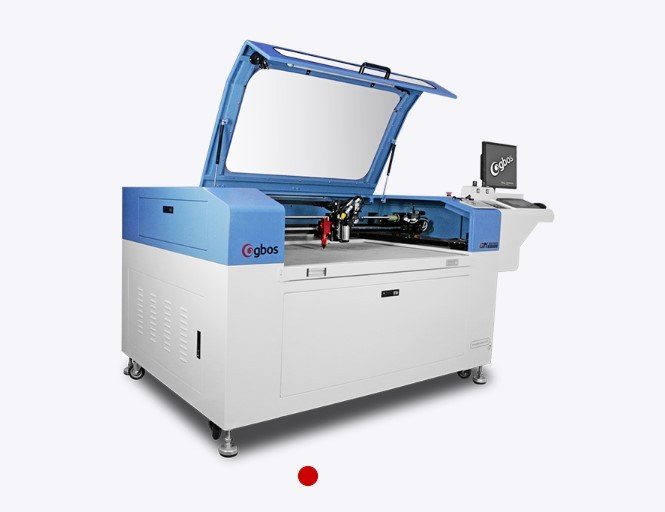
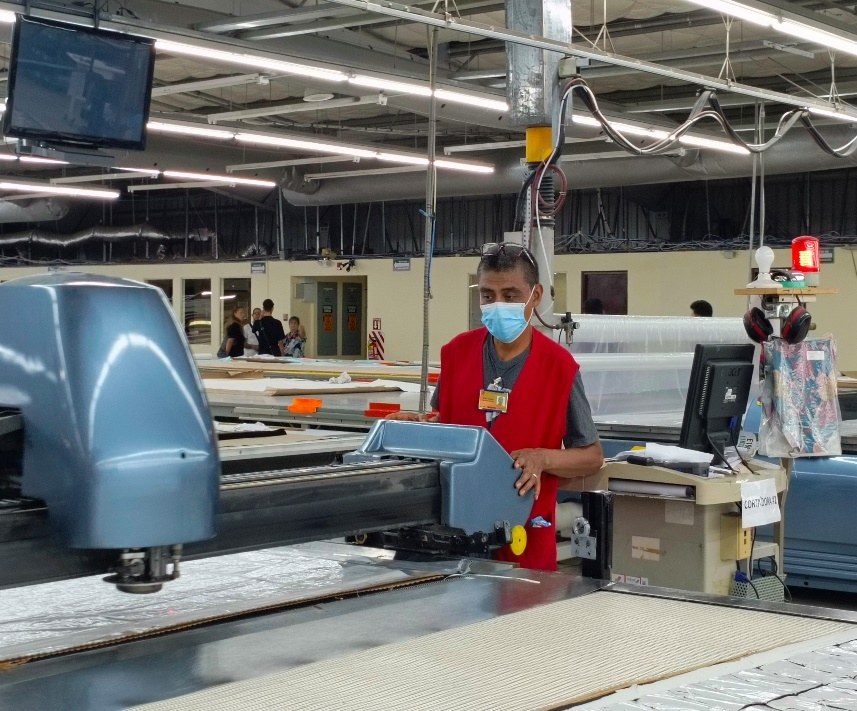
Tukatech and Gerber automated cutting alongside dual-head laser cutting for lace trims and precision edges.
Line, modules and skill centre, each matched to a style's complexity and run to TSS standards.
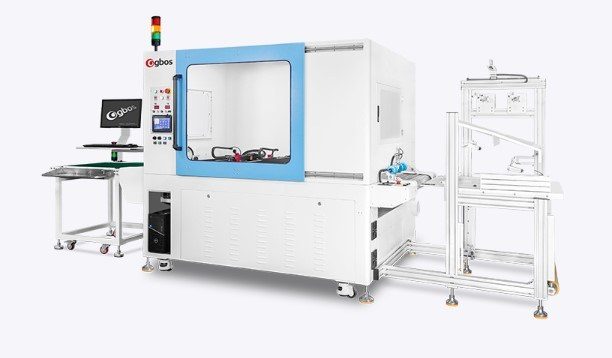
Patented silicone technologies and laser-guided dotting glue dispensing for bonded seams and grip finishes.
Moulded cups and shaped components produced in-house for bras, shapewear and recovery garments.
Sew-free bonding technologies for smooth, seamless constructions with no stitch line under clothing.
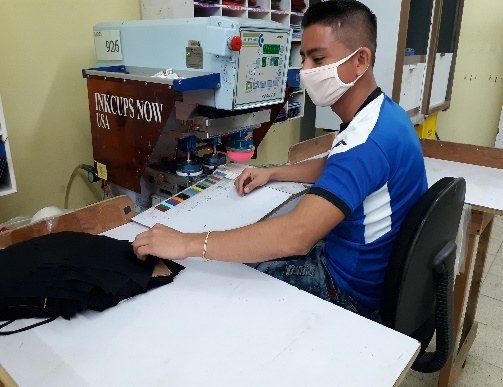
In-house pad printing and heat-seal label application, removing an outbound step from the schedule.
Separate fabric and cutwork/findings warehouses with inventory control, conformity checks and 5S discipline.
Container loading, export invoicing and documentation, with C-TPAT compliance reporting on every shipment.
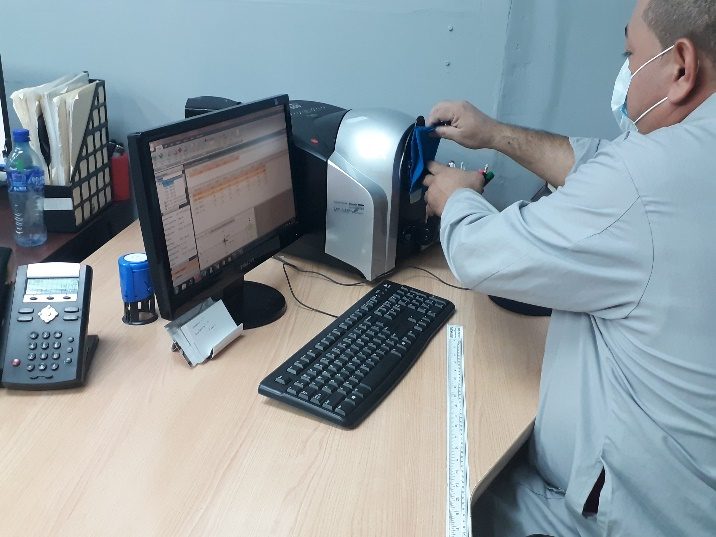
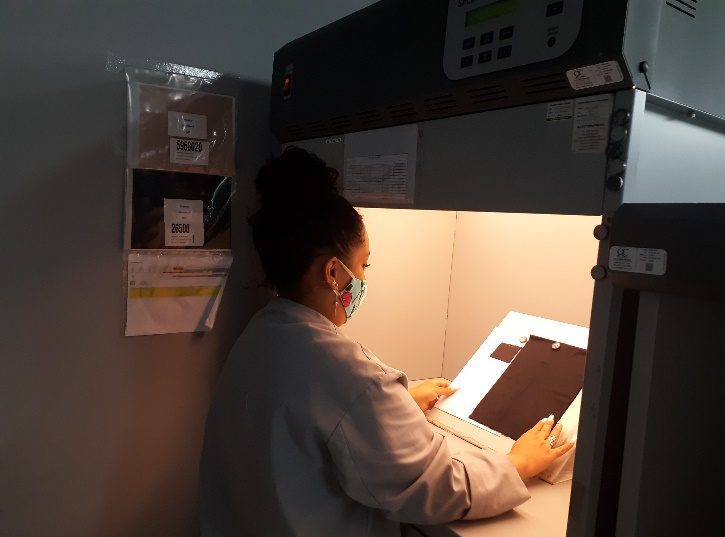
Zwick tensile testing, Datacolor readings, colour light evaluation boxes and Munsell colour testing.
Design, research and development, sample making and approval, run against a three-phase sew test.
Precision equipment
Repeatable results on lace, bonded seams and moulded components come from dedicated machinery — not from working around general-purpose equipment.
Cutting
Dual-head laser cutter producing precise lace trims and sealed edges with no fraying and no secondary finishing operation.
Bonding
Laser-guided adhesive dispensing that places bonding material to pattern, enabling sew-free seams at production speed.
Sewing
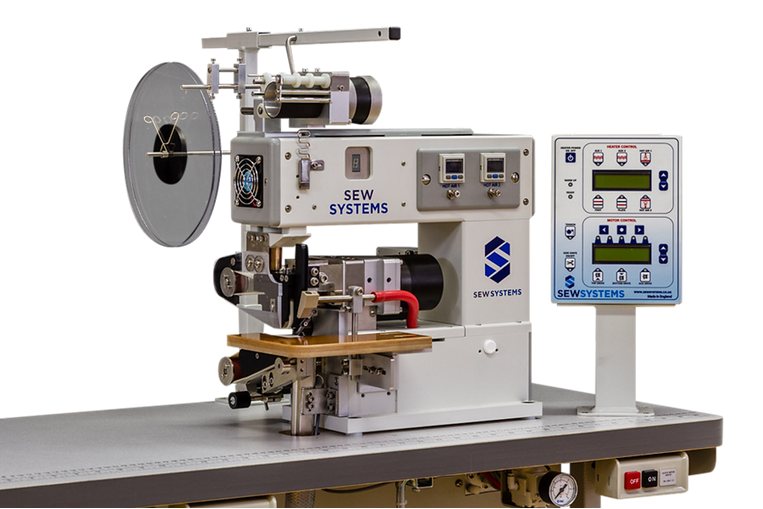
Purpose-built sewing systems with programmable heat and motor control, supporting elastic application and complex constructions.
How we work
Four stages, each with its own gate. A style only moves forward when the previous stage has signed it off.
Stage 01
Stage 02
Stage 03
Stage 04
Production in detail
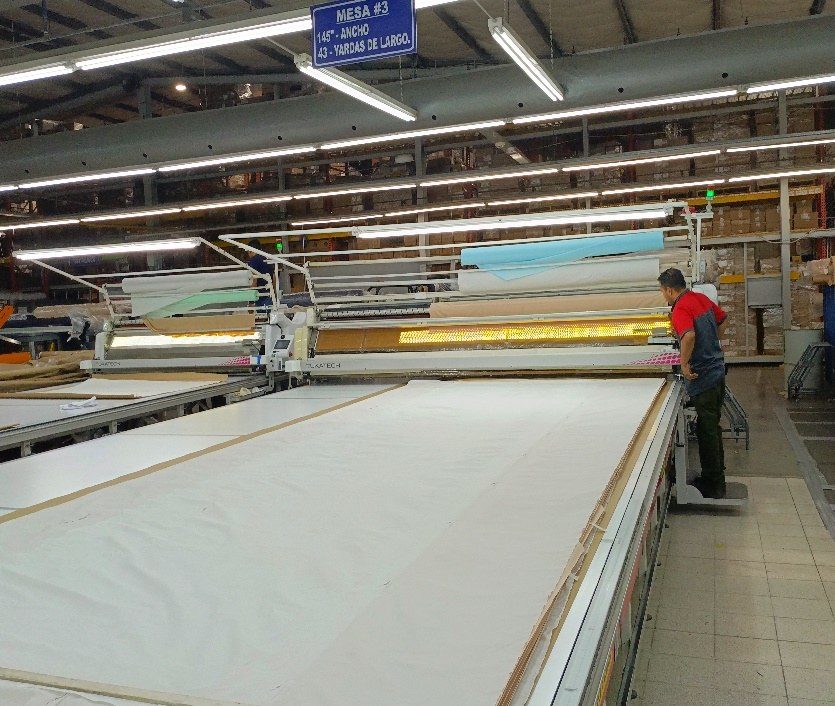
Production · 01
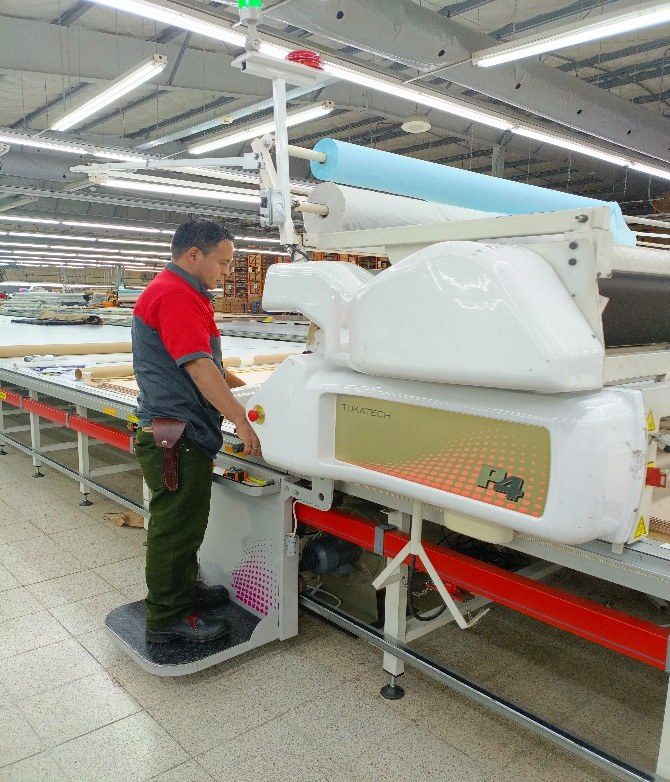
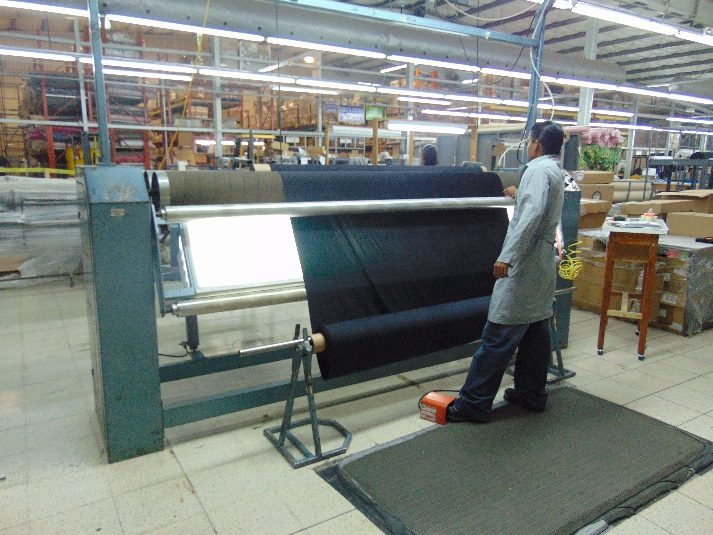
Fabric is received, relaxed and controlled for stretch and shrink before spreading — with quality checks at every layer.
Rolls received, checked and identified for conformity; non-conforming rolls quarantined.
Fabric relaxed and tested for stretch and shrink so cut parts hold their measurements.
Automated spreading to the approved marker from Tukatech and Gerber Technology.
Automated and laser cutting to the nested marker.
Layer count and overlap verified, then bundles tied up and released to sewing.
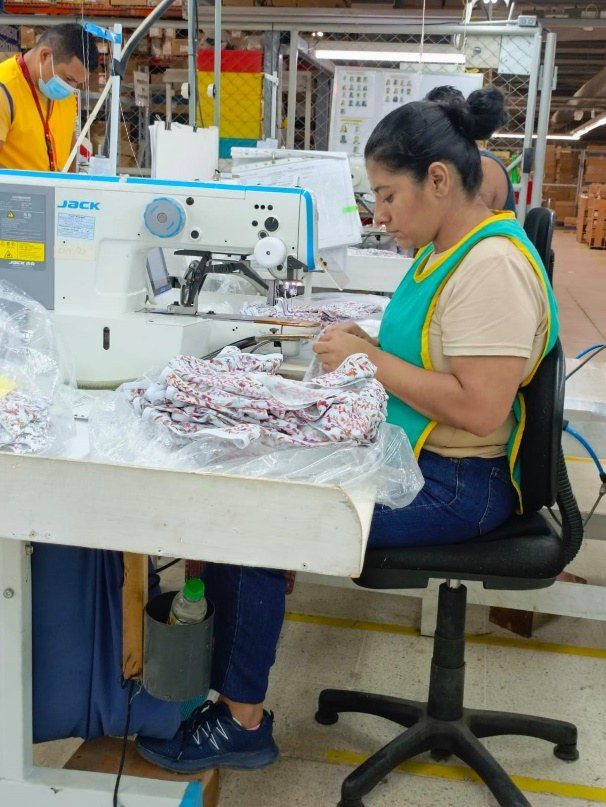
Production · 02
Bundles move through one of three purpose-fit sewing systems, with quality checked and repaired in-line before pieces reach final inspection.
Cut bundles received and accounted for against the cut ticket.
Line for high-volume repeat styles, modules for flexible mid-volume runs, and a skill centre for new, critical or complex operations.
Each operation runs to the standard sewing specification set during the sew test.
Defects caught and repaired in-line rather than accumulating at final inspection.
Qualified modules and lines run direct to stock, with safety maintained throughout.
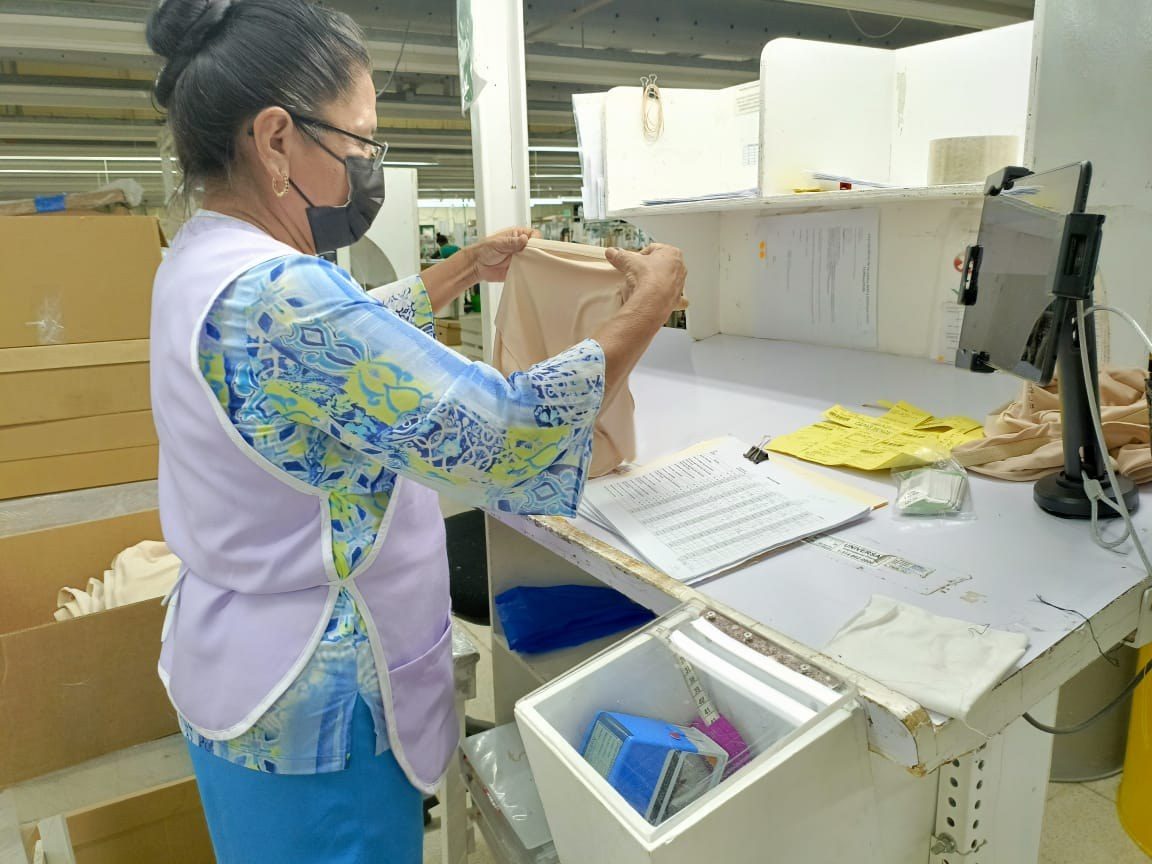
Production · 03
Every finished garment is inspected against strict, customer-aligned standards before acceptance into production.
Inspection against the customer's own acceptance standard.
Non-conforming units segregated, dispositioned and recorded.
First production of a new style reviewed as a process, not just a garment.
Final inspection reporting feeds indicator analysis and corrective action.
Auditors certified to major retail customer standards sign off on acceptance.
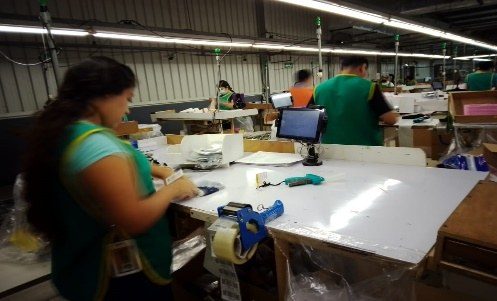
Production · 04
Finished, audited production is accounted for, packed and documented to meet export and customs requirements.
Only production that has cleared final QC enters packing.
Unit reconciliation against the order before cartonisation.
Products packed, containers checked and charged to the loading plan.
Commercial invoicing and export documentation prepared in-house.
Shorts and irregularities reported, with C-TPAT compliance recorded per shipment.
Quality assurance
Our quality system exists to answer one question before production starts: are the measurements, patterns and work methods proven well enough to release this style?
Quality assurance · 01
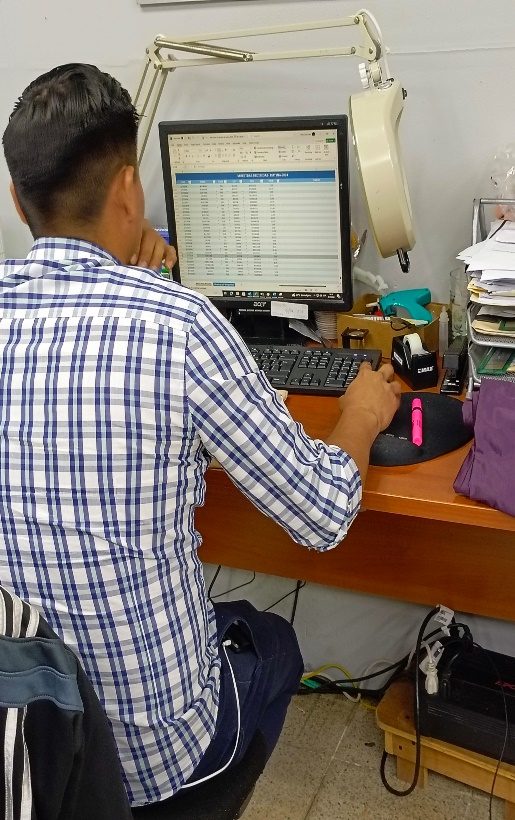
Every raw material is tested and verified before it reaches the cutting floor. Fabric and findings are inspected, reported and analysed statistically, and suppliers are evaluated on the results.
Raw material testing
Certified auditors & partners
Our in-house auditors and colourists hold certifications issued by our retail and medical customers — including certified colourists for a major women's apparel retailer, and certified auditors for a leading department-store group and a national medical-supply company. We have also run a sustainability improvement programme with a major mass-market retailer for more than ten years.
Quality assurance · 02
Every style advances through three validation phases before it is released to production. The objective is fixed: make sure measurements, patterns and work methods are developed and validated so the style can be inserted into production with confidence in quality and fit.
Phase 01
Evaluate the style's construction. Identify new, critical and complex operations, and prepare the attachments, accessories and machinery they need. Recommend changes to improve construction and productive performance — SPI, operation sequences, pattern adjustments — and group styles by construction and material similarity. Cross-functional development meetings bring in engineering, training, production and cutting.
Phase 02
Confirm the garment's final measurements are achievable using the patterns and assembly instructions provided. Any pattern adjustments required at this stage are resolved with the design team — or directly with the customer — before proceeding to the final sew test.
Phase 03
Validate measurements, patterns and work methods so the style can be released into production. This is the gate: nothing enters a line until the final sew test confirms the style can be built repeatably to the customer's expectation.
Quality assurance · 03
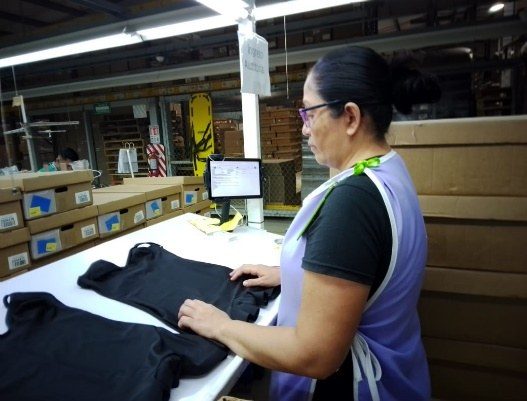
Fitting tests are carried out on all production — private label, owned brands and new styles alike — validated through audits in Nicaragua and Mexico plus results received from the USA and from clients directly. Correct fit, appearance, comfort, process adherence, durability and seam resistance must all be guaranteed.
The quality director and quality manager decide which protocol a garment runs, depending on what needs analysing, how quickly results are needed and how strict the test must be. Wash-and-wear and put-and-down are the most stringent.
Wear the garment once; check fit, appearance, comfort, adherence of processes, durability and sewing.
Runs 6–25 days
Wear the garment through the day and wash it at day's end. Reports everything fitting covers, plus any discomfort or allergic reaction.
Runs 6–25 days
Put the garment on and take it off ten times, then wash once. Reported six times to guarantee adhesion holds.
6 reported cycles
Our products
Owned brands and private-label programs alike run through the process above — the category changes, the discipline does not.
Product capabilities · 01
Shapewear including body briefers, camis, cinchers, briefs and leggings, plus panties and bras — wired, non-wire and sport styles — produced for a family of owned and private-label brands.
This is our founding category and where the plant's specialty technology matters most: moulded cups, bonded and sew-free seams, patented silicone grip, and laser-cut lace edges that need no secondary finishing.
Constructions
Owned brands manufactured here
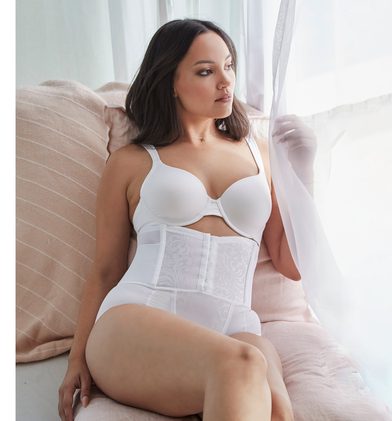

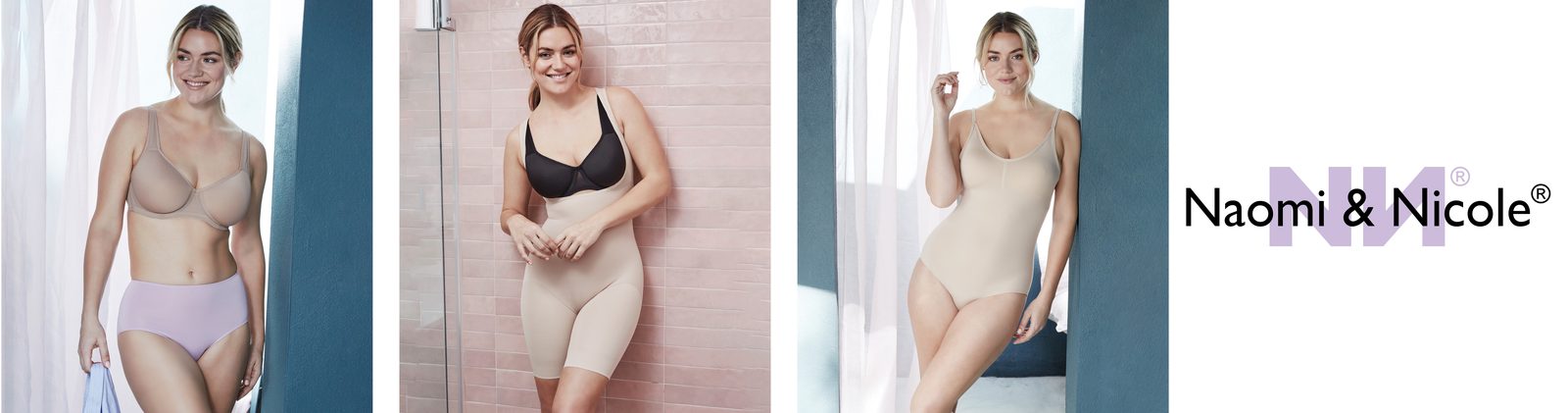
Representative production from our owned intimate-apparel brands.
Product capabilities · 02
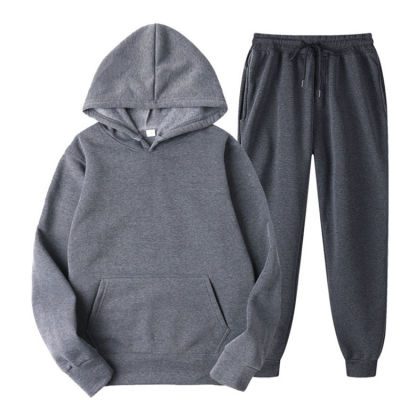
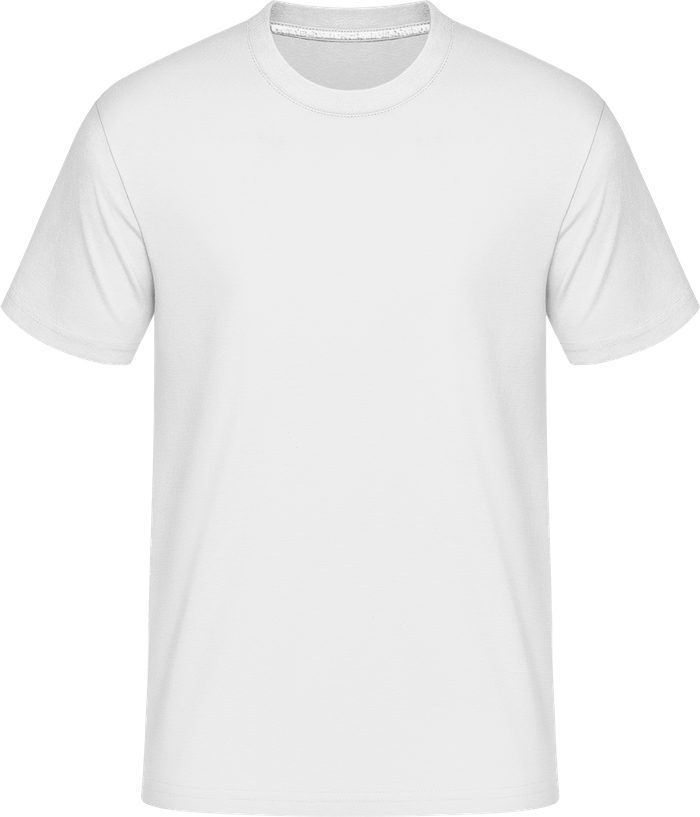
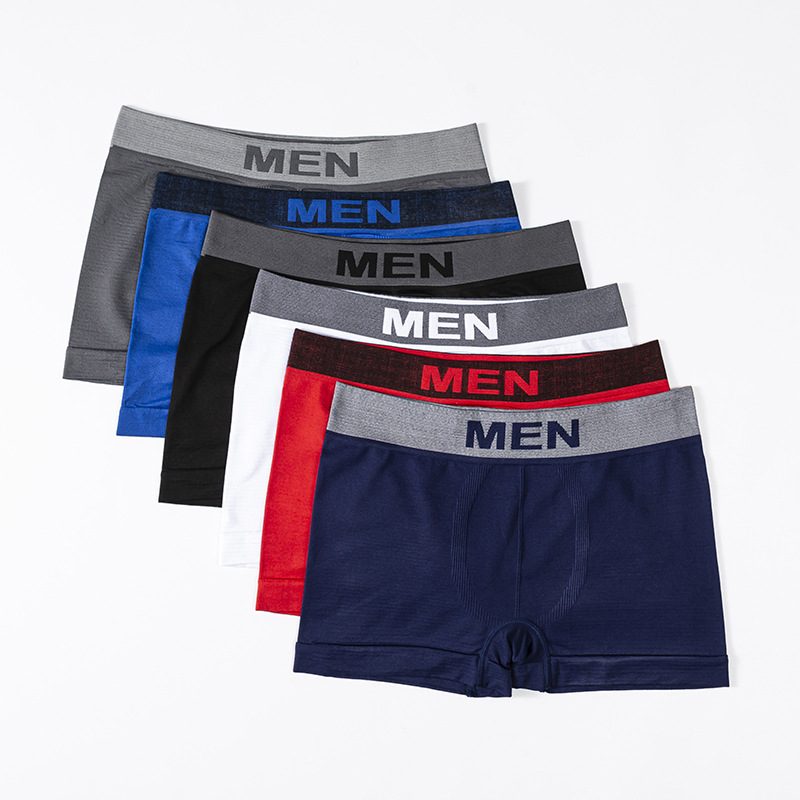
Hoodies and jogger pants, boxer briefs and t-shirts — manufactured for private-label partners entering or expanding in the activewear category.
Activewear programmes benefit from the same cutting yield optimisation and in-line quality control as our intimates work, with pad print and heat seal handled in-house so branding does not add a step to the schedule.
Product capabilities · 03
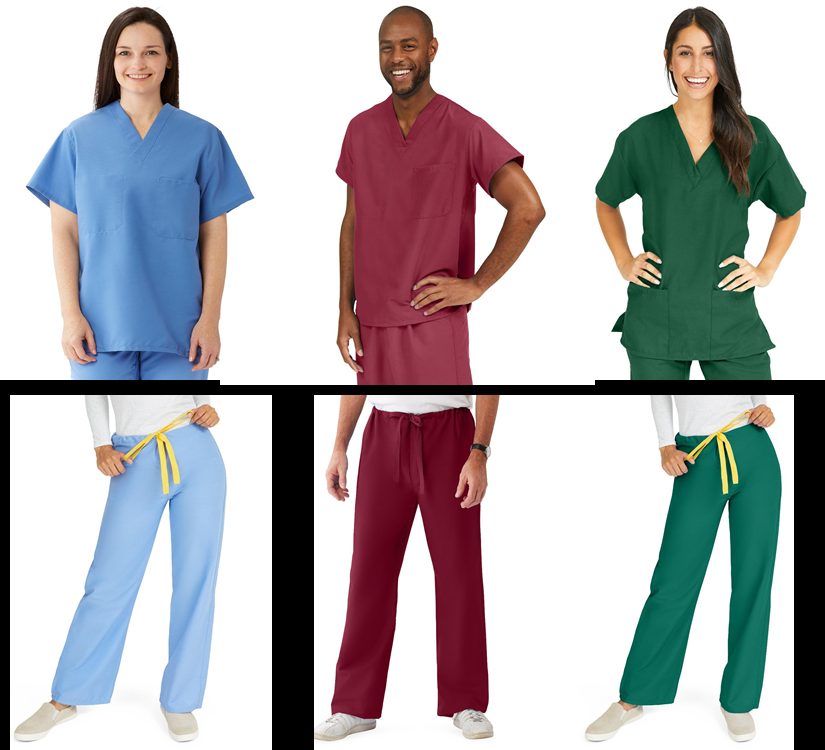
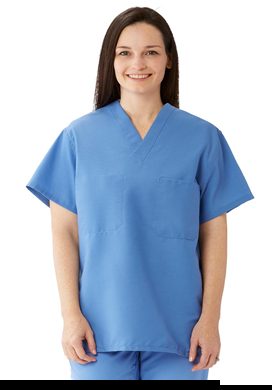
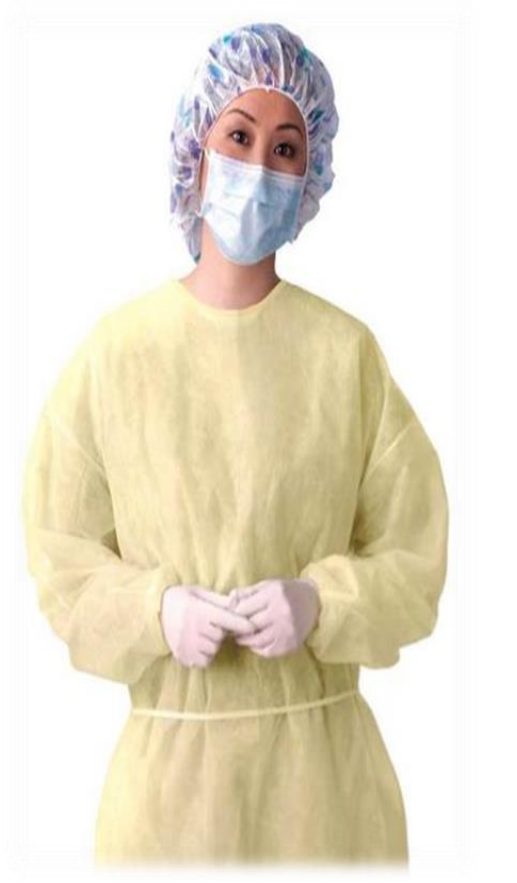
Scrubs and surgical gowns manufactured for private-label medical and healthcare-apparel partners.
Surgical gowns are manufactured to protective-wear standards for hospital and clinical use. Scrub programmes run in full colour ranges across tops and bottoms, with our in-house colour lab controlling shade consistency batch to batch — a recurring problem in healthcare apparel, where a re-order has to match stock already in the ward.
FDA-registered facility
Our manufacturing facility is registered with the U.S. Food and Drug Administration — the basis on which we manufacture surgical gowns and our post-surgical recovery line.
Products
Product capabilities · 04
A dedicated recovery line — produced in our FDA-registered facility — supporting patients through post-surgical healing.
Recovery garments are the most demanding work we do. Compression has to be graduated and consistent, closures have to be operable by someone with limited range of motion, and every seam sits against healing tissue. That is why these styles run through put-and-down adhesion testing and the full three-phase sew test before release.
Product range
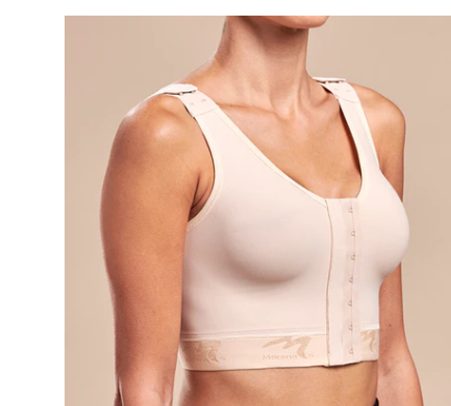
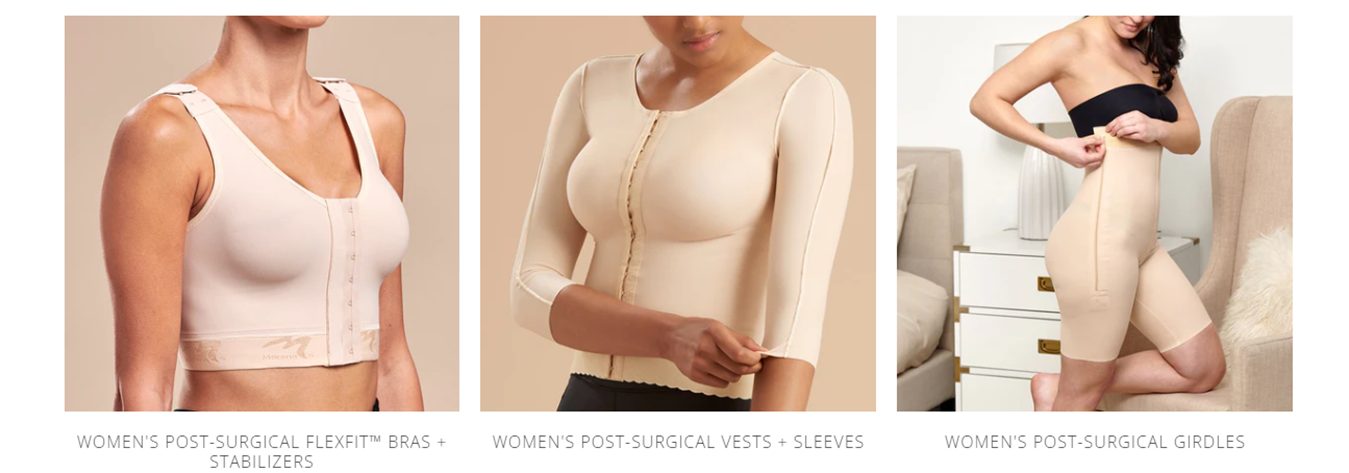
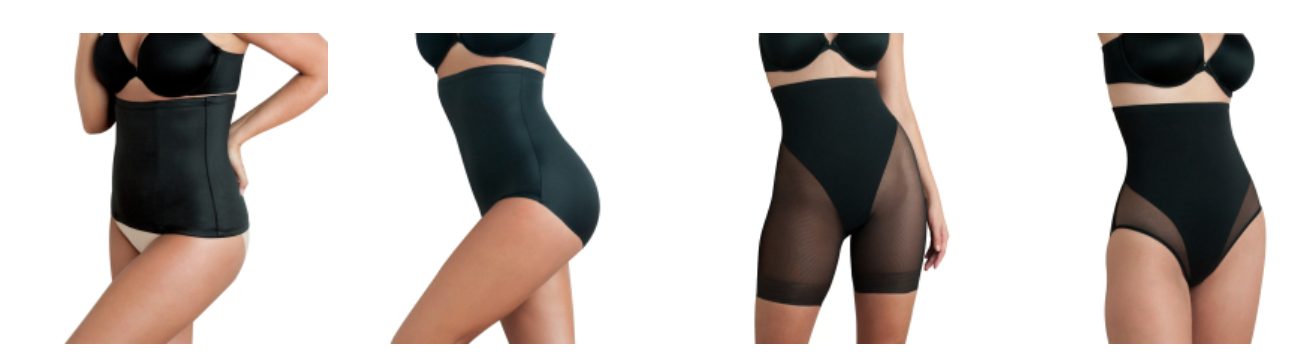
Representative post-surgical production: bras and stabilizers, vests and sleeves, and compression girdles.
Next step
Send us the category, the construction and the volume. We will come back with a capability read, an indicative lead time and the sampling path.